
Key takeaways
- The Philippines is targeting 35% renewable energy by 2030 and 50% by 2040, and the workforce has not kept up.
- Senior technical roles in operations and maintenance, project management and business development are the hardest to fill.
- Lead with transferable experience, keep your PRC license and safety training current, and add a short solar, storage or grid credential.
- Most projects are outside Metro Manila, and many teams hire on contract during construction and commissioning.
The Philippines has one of the biggest renewable energy pipelines in Southeast Asia, and not enough people to build and run it. That gap is good news for job seekers. Renewable energy jobs in the Philippines are growing across solar, wind, storage, grid and water projects, and employers are competing for experienced talent.
If you have been thinking about a move into renewables, this is a good time to look.
Why Now Is the Right Time
The country is targeting 35% renewable energy by 2030 and 50% by 2040. To get there, the Department of Energy plans to auction at least 25GW of new renewable capacity between 2027 and 2035 (Daily Tribune).
The workforce has not kept up. The International Labour Organization estimates the Philippines needs 350,000 more renewable energy workers by 2030, against a current workforce of about 120,000 (Power Philippines). From January to April 2026 alone, renewable projects fast-tracked by the Board of Investments carried 37,726 projected jobs, more than double the same period last year (Power Philippines).
Our recruiters see this gap every day, especially at the senior end of the market. As Migs Buenafe, our Senior Director for Power and Water, explains:
“Highly senior technical positions are the hardest to fill, across Operations and Maintenance, Technical and Project Management, and even Business Development. Clients need highly specialized experience, and qualified local talent is limited. In coal-fired power, many professionals are either seeking opportunities overseas or moving into renewable energy. Hydro remains one of the less popular technologies, so its talent pool is particularly small.”
Migs Buenafe, Senior Director, Power and Water, Intro Recruitment Asia
How to Build Your Career in Renewable Energy
1. Lead With Transferable Experience
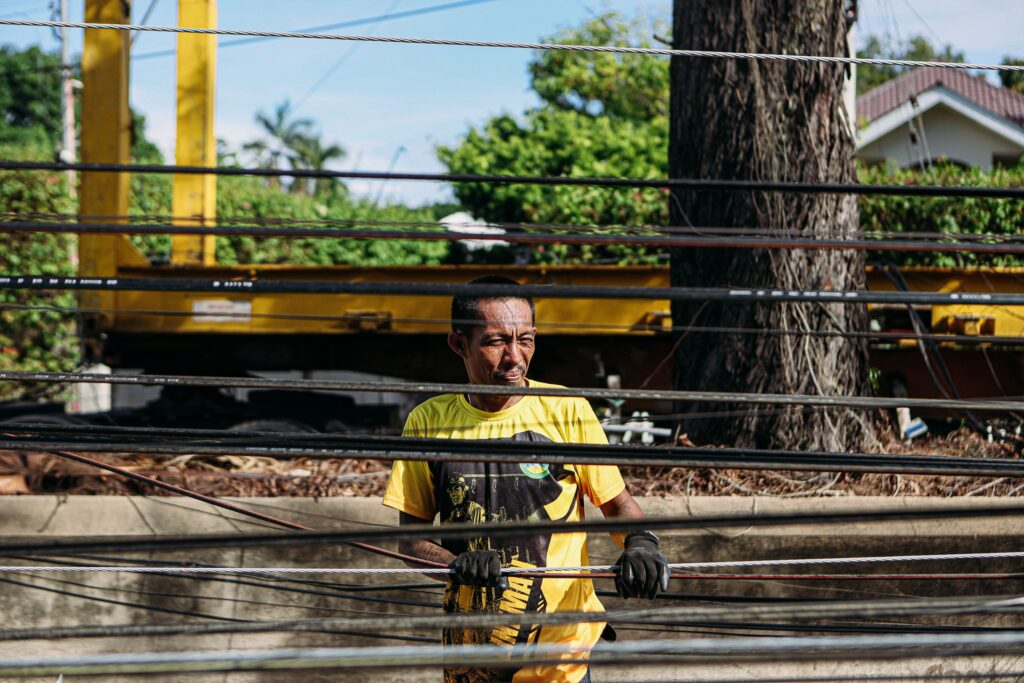
You may already have more of what employers want than you think. An electrical engineer with five years on substations at a coal or gas plant already knows protection systems, switchgear and grid codes, which is exactly what a solar or wind developer needs. We are already seeing coal-fired power professionals make this move. The same goes for project managers from oil and gas or large construction. Spell out those links on your CV rather than leaving the employer to work them out.
2. Keep Your License and Safety Training Current
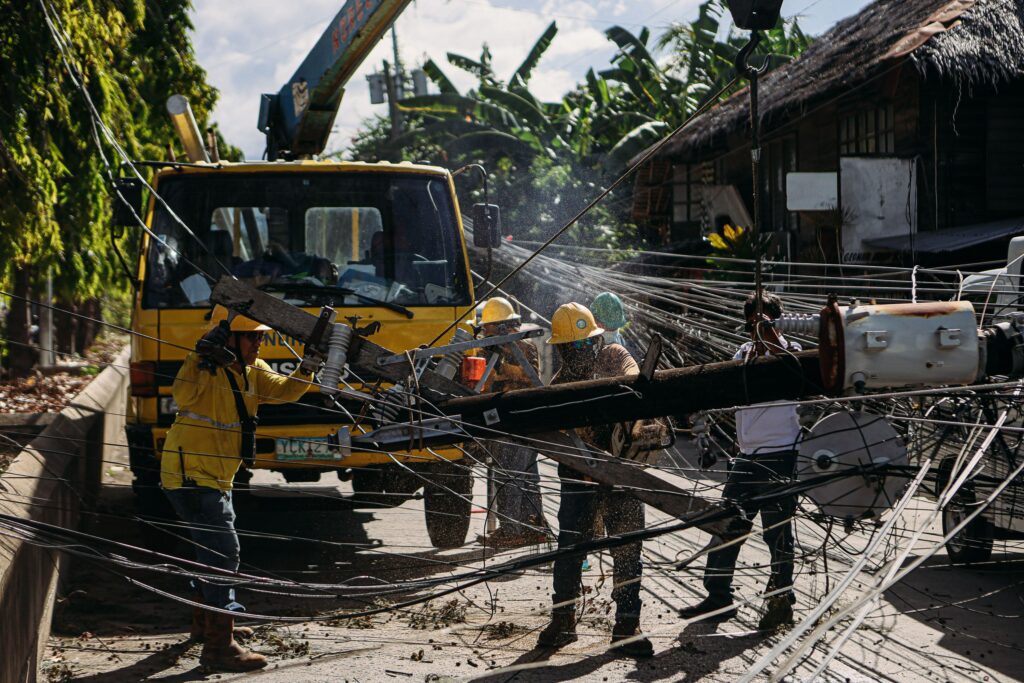
Employers check your PRC license and safety training first. Keep both current, and renew early so paperwork never holds up an offer.
3. Add a Renewable Energy Credential
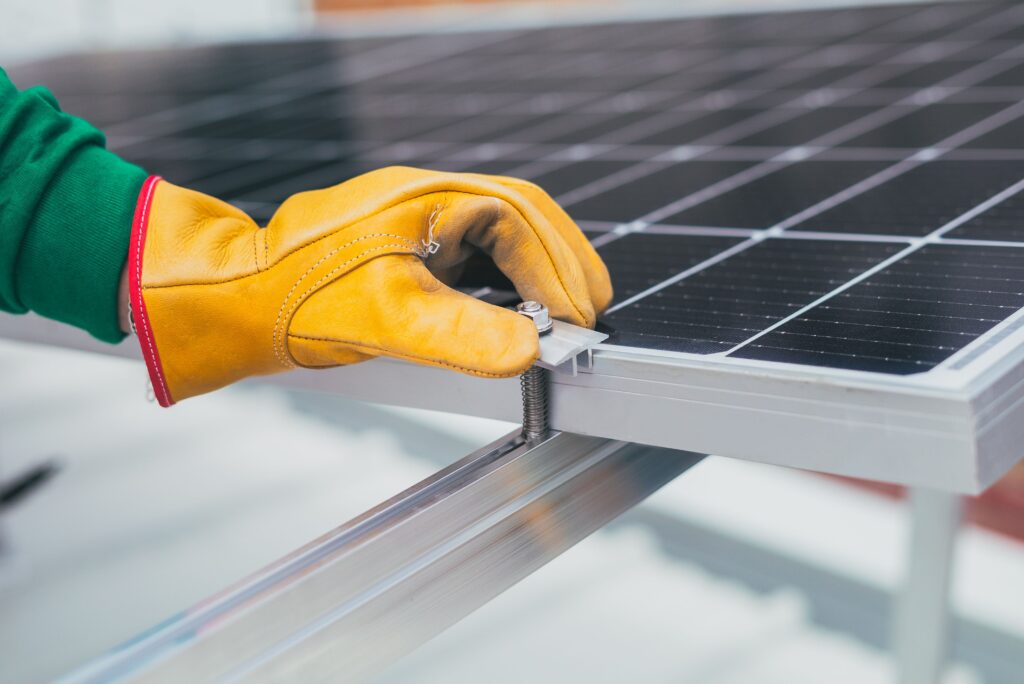
Short courses in solar PV design, battery storage or grid integration show you are serious about the sector and can set you apart on a shortlist.
4. Be Open to Site Locations
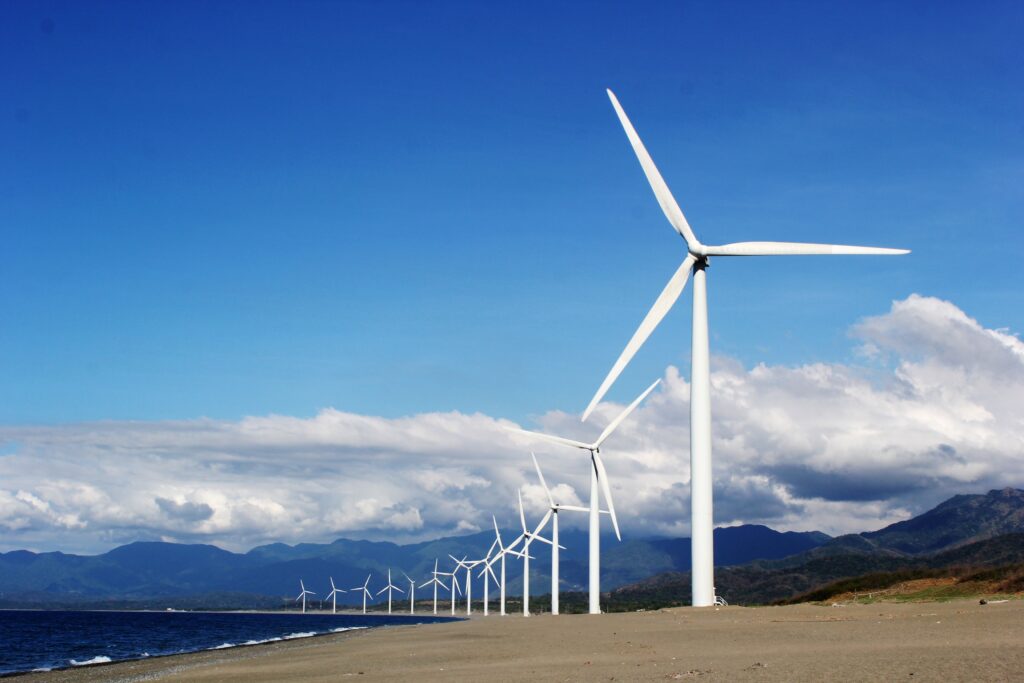
Most renewable energy projects are outside Metro Manila, from the wind farms planned in Pangasinan, Samar and Nueva Ecija to solar sites across Luzon and the Visayas. Candidates open to provincial postings or a rotation roster usually get the strongest offers.
5. Consider Contract Roles
Many projects build their teams with contract staff during construction and commissioning. A fixed-term role is a fast way into the sector and often leads to a long-term position. Through Intro Personnel, we place professionals in contract roles across energy and infrastructure.

Find Your Next Power and Water Role
The energy transition is creating long-term careers in the Philippines. Intro Recruitment Asia has been recruiting for power, water and energy for more than 10 years, across the Philippines and Southeast Asia, and we know which projects are hiring now.

“Intro have been a great help to us in sourcing and placing qualified candidates for our manpower requirements, many of which are for managerial roles and above. The consultants are always responsive and quick to act on our requests.”
Chiqui P. Posadas, AC Energy
Related Reading
Frequently Asked Questions
Yes. The ILO estimates the country needs 350,000 more renewable energy workers by 2030, and energy companies report a 75% shortage of skilled labor.
Most engineering roles need a relevant degree and a PRC license. Experience in power, construction or oil and gas, plus safety training and a renewable energy short course, will strengthen your application.
Yes. Electrical, mechanical, project and HSE skills transfer well, and many employers actively look for candidates from these industries.